
The New Bali: The Hotels, Restaurants & Places Defining Luxury
Beyond private pools and ocean views, a new generation of Bali experiences is redefining what luxury on the island can mean.
Bali has never needed much introduction.
For decades, the island has attracted travellers with its beaches, temples, rice terraces and deeply established culture of hospitality. But the Bali that luxury travellers encounter today is not quite the same destination it was a decade ago.
The island's luxury landscape is becoming more layered.
International hospitality names are arriving alongside established Balinese institutions. Restaurants are treating Indonesian ingredients with the same seriousness traditionally associated with European fine dining. Wellness is moving beyond the spa menu. Architecture is becoming part of the travel experience. And for a growing number of discerning travellers, privacy is no longer simply about having a private pool.
It is about having a sense of place.
This is The New Bali: not necessarily a replacement for the island people already know, but an evolution of it.
Here are the hotels, restaurants and destinations helping shape that evolution.
Regent Bali Canggu: Where Contemporary Luxury Meets the Coast
Regent Bali Canggu
Images courtesy of Regent Bali Website
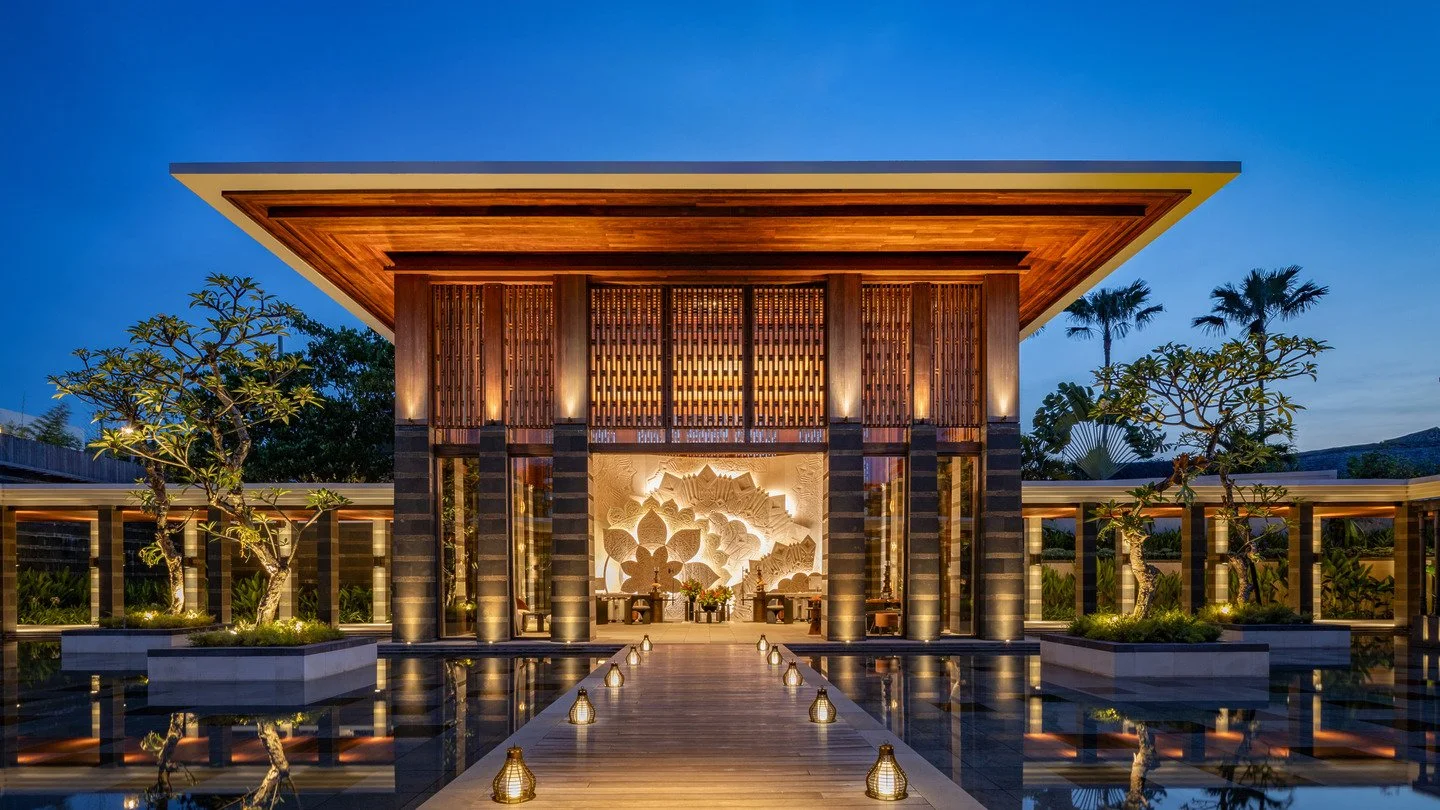
Canggu has long been associated with surf culture, cafés and a younger international crowd. The arrival of Regent Bali Canggu introduces another dimension to the area: contemporary beachfront luxury without completely separating itself from Canggu's existing rhythm.
The first Regent property in Indonesia opened on Canggu Beach with 150 rooms and suites, alongside six dining venues and the first Regent Spa & Wellness concept. The resort's architecture uses stone, teak, marble and natural tones, while its setting connects the property with the coastline and surrounding rice-field landscape.
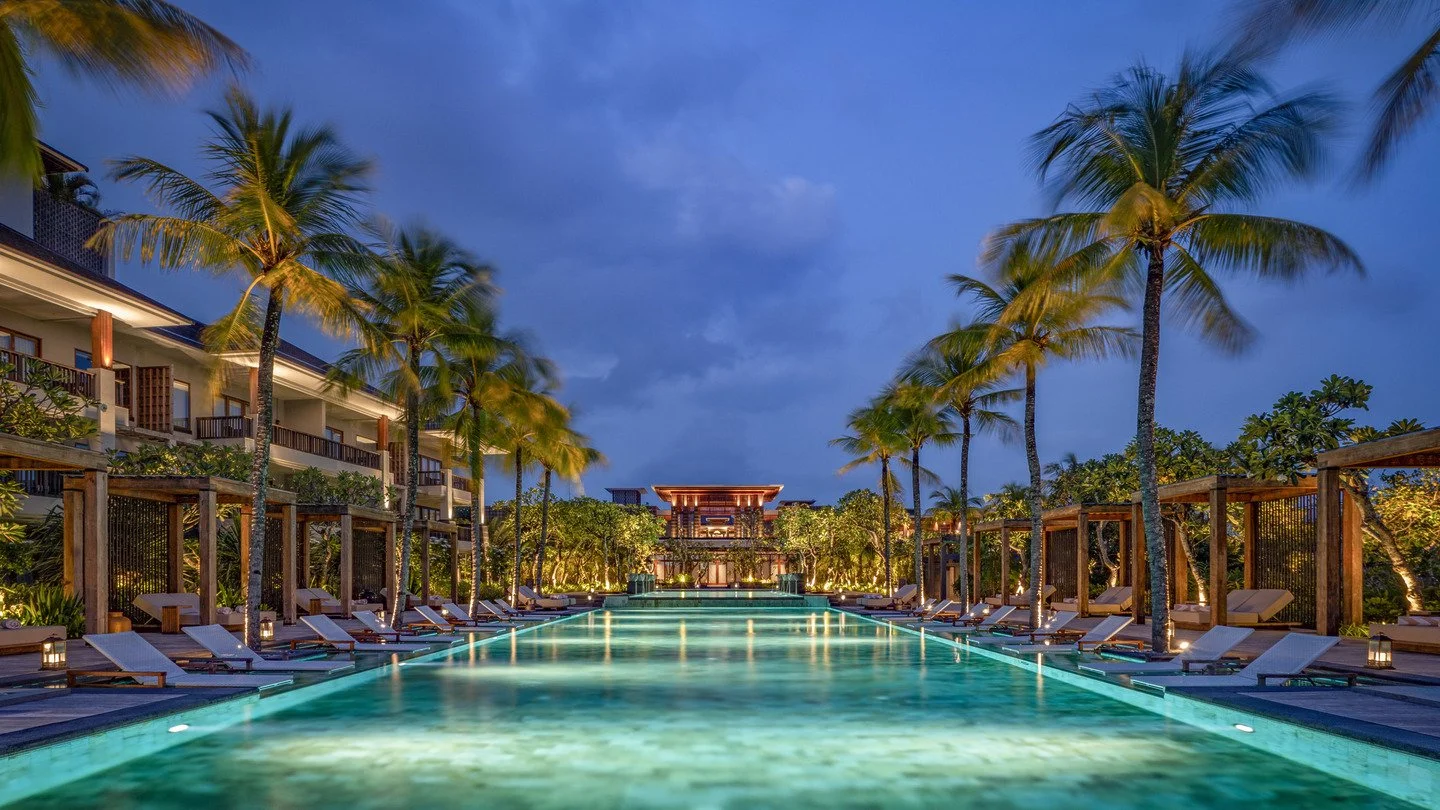
Images courtesy of Regent Bali Website
The interesting part is not simply that another luxury hotel has arrived.It is that luxury hospitality is moving into neighbourhoods that already have a strong identity of their own.
Regent's dining programme also reflects that shift. Sazón takes a Mediterranean direction, while Cure Bali brings Asian influences together with Indonesian seasonal produce.
The New Bali idea: luxury no longer has to exist in isolation from the destination's energy.
Regent Bali Canggu official website
Jumeirah Bali: The Resort as an Architectural Experience
Jumeirah Bali
Images courtesy of Magnolia Rouge
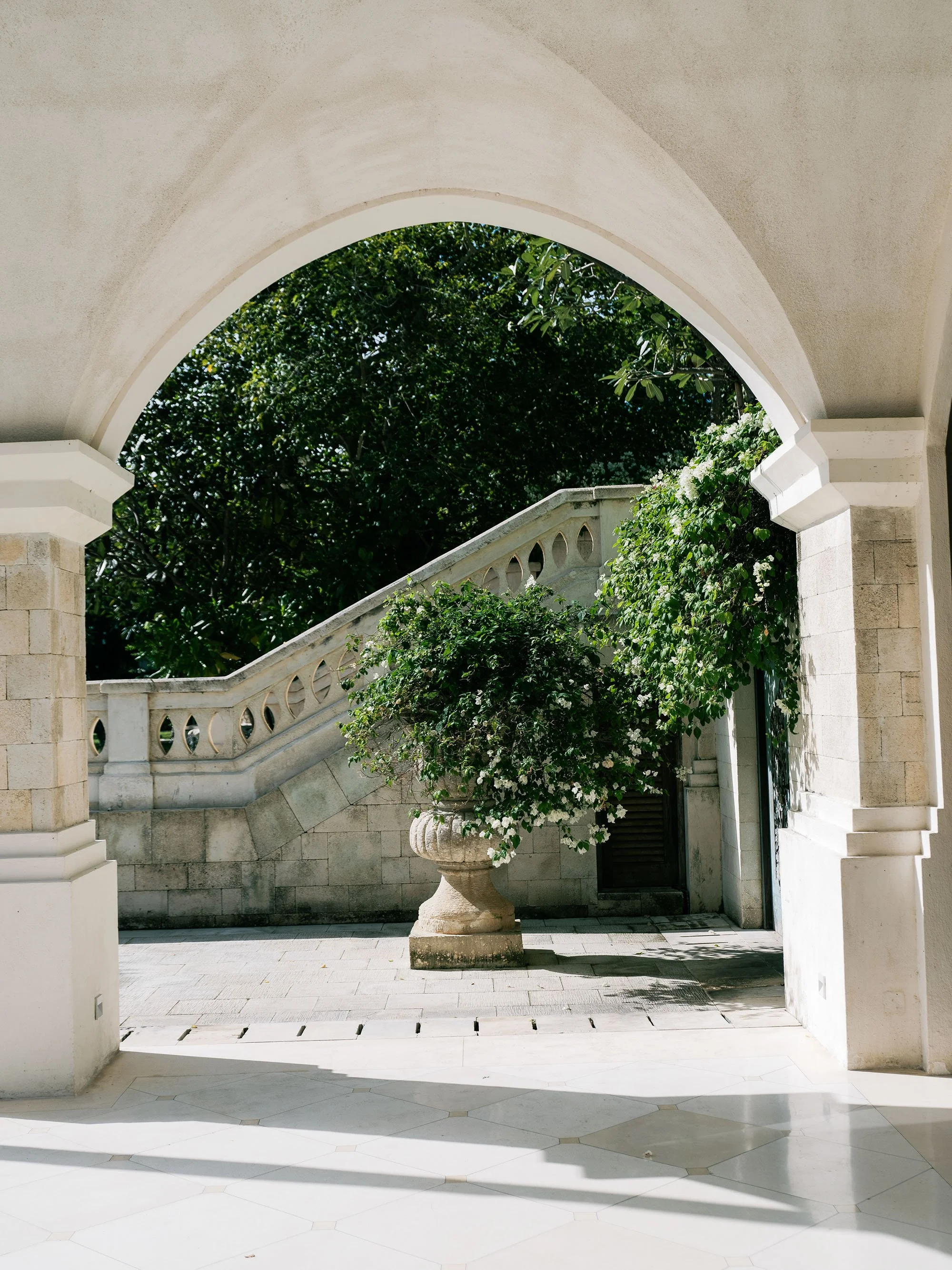
On the cliffs of Uluwatu, Jumeirah Bali takes a more architectural approach to luxury.
The resort comprises 123 villas, each with a private pool, and draws inspiration from Hindu-Javanese history and the surrounding landscape. The result is less about reproducing a traditional Balinese resort and more about interpreting local references through a contemporary lens.
This matters because design is increasingly becoming one of the most important elements of luxury travel.
Travellers are no longer simply booking a room with a view. They are choosing spaces with a visual language, a story and an identity that continues beyond the guest room.
Jumeirah Bali's setting also demonstrates why the southern peninsula remains central to Bali's luxury market: dramatic cliffs, open ocean horizons and a sense of separation from the island's busier areas.
The New Bali idea: architecture is no longer background scenery. It is part of the destination.
Jumeirah Bali official website
Capella Ubud: Luxury That Leans Into Imagination
Capella Ubud, Bali
Images courtesy of Capella Ubud Website
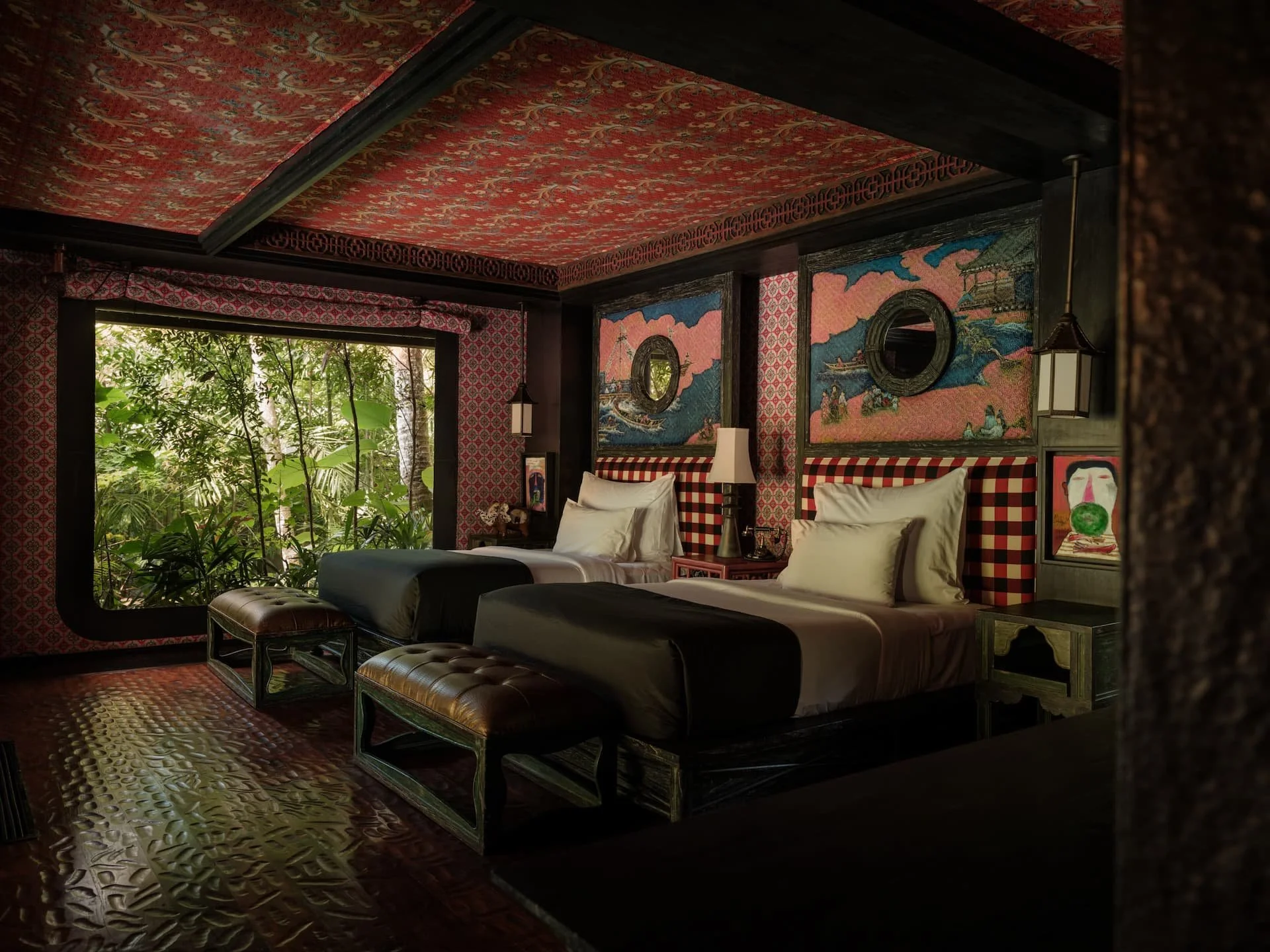
Ubud has always attracted travellers looking for a more contemplative version of Bali, and Capella Ubud takes that idea in a highly theatrical direction.
Set within the Keliki landscape, the property approaches the resort experience through storytelling, design and curated activities. Its signature experiences include private wellness rituals, yoga, Balinese purification practices and immersive programmes intended to connect guests with the island's cultural and natural environment.
It represents an important shift in luxury hospitality.
The value of a stay is increasingly determined by what cannot easily be photographed: how a guest spends a morning, what they learn, how private an experience feels, or whether a destination creates a memory that exists independently of social media.
The New Bali idea: luxury can be experiential rather than material.
Amandari: The Case for Quiet Luxury
Amandari
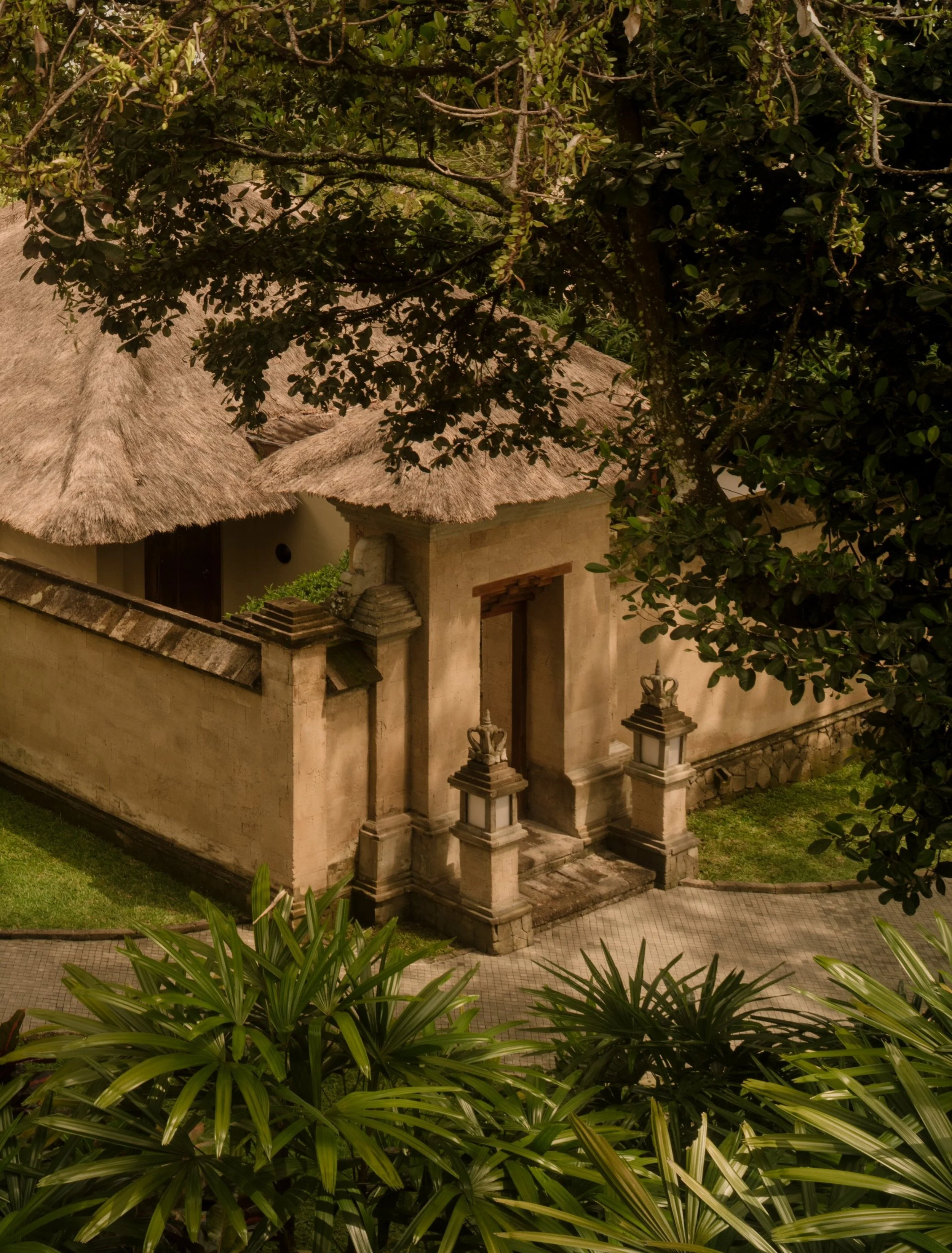
Images courtesy of Amandari Website
Not everything that defines Bali's next luxury chapter is new.
Amandari is a useful reminder that some of the island's strongest luxury ideas were established long before the current wave of high-end development.
Located near Ubud, Amandari was designed around the character of a Balinese village, with stone gateways, garden courtyards, traditional forms and views towards the Ayung River valley. Its current offering continues to combine accommodation with cultural activities, wellness and local culinary experiences.
Its approach feels increasingly relevant today.
As luxury travel becomes more crowded with visual stimulation, quietness itself has become a form of privilege.
At Amandari, that can mean a morning in the rice terraces, a private yoga session, a traditional dance class or dinner overlooking the valley rather than another highly produced entertainment concept.
The New Bali idea: sometimes the most sophisticated luxury is simply having less noise.
Mandapa: When Wellness Becomes Part of the Destination
Mandapa, a Ritz-Carlton Reserve
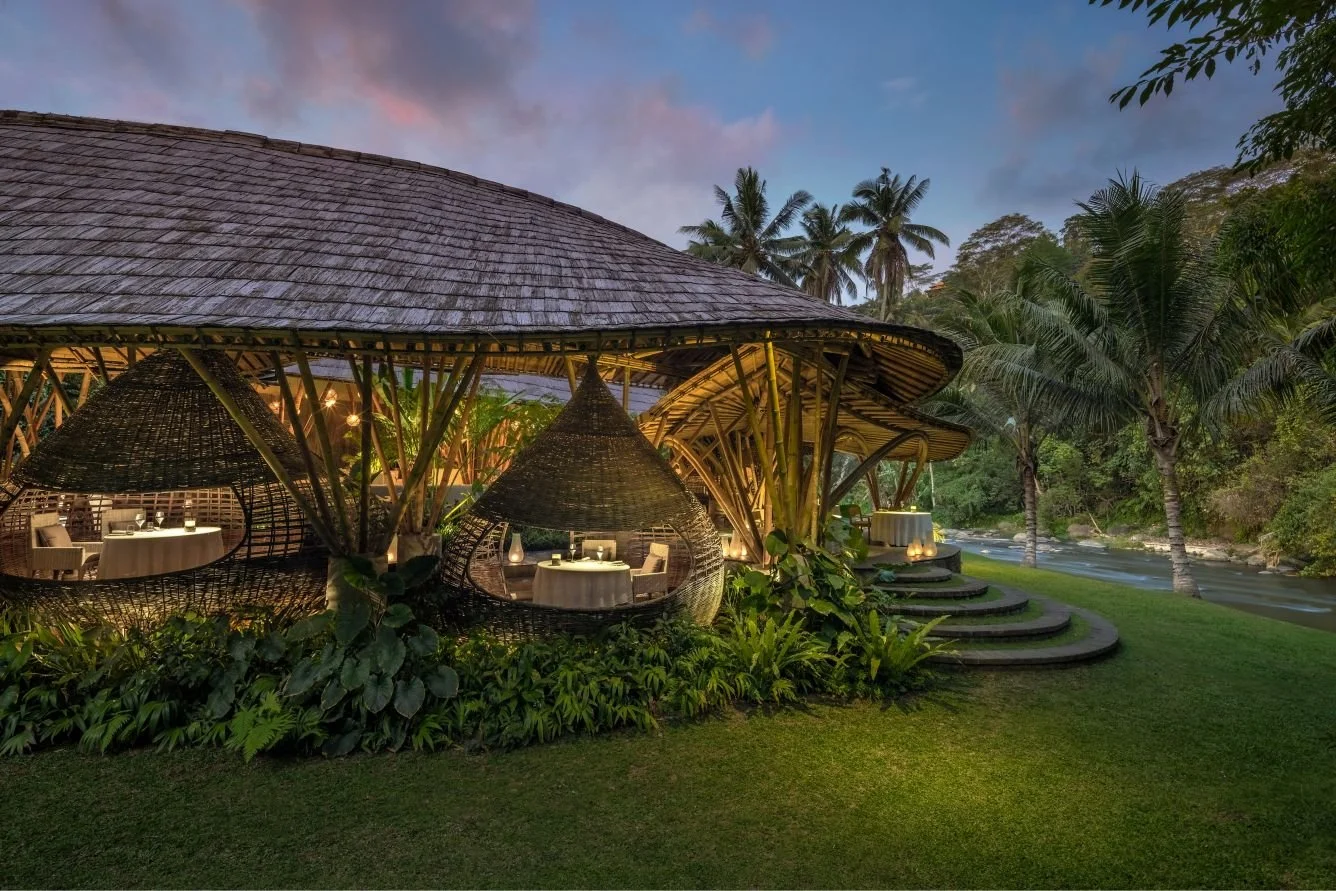
Images courtesy of Mandapa Website
At Mandapa, the connection between hospitality, wellness and landscape is central to the experience.
Set along the Ayung River in Ubud, the property combines suites and private pool villas with dining, spa and personalised wellness programmes. Its concept is built around the feeling of entering a Balinese village, rather than simply staying beside one.
Its culinary philosophy is equally connected to place. Kubu at Mandapa, for example, focuses on ingredients sourced within a 100-kilometre radius and combines local produce with contemporary culinary techniques. This reflects one of the most significant developments in luxury travel: wellness and sustainability are no longer necessarily separate categories. For today's traveller, they increasingly overlap with food, landscape, sleep, movement and the way a hotel interacts with its surroundings.
The New Bali idea: luxury is becoming more holistic.
Mandapa, a Ritz-Carlton Reserve official website
Raffles Bali: Privacy, Gastronomy and a Stronger Sense of Place
Raffles Bali
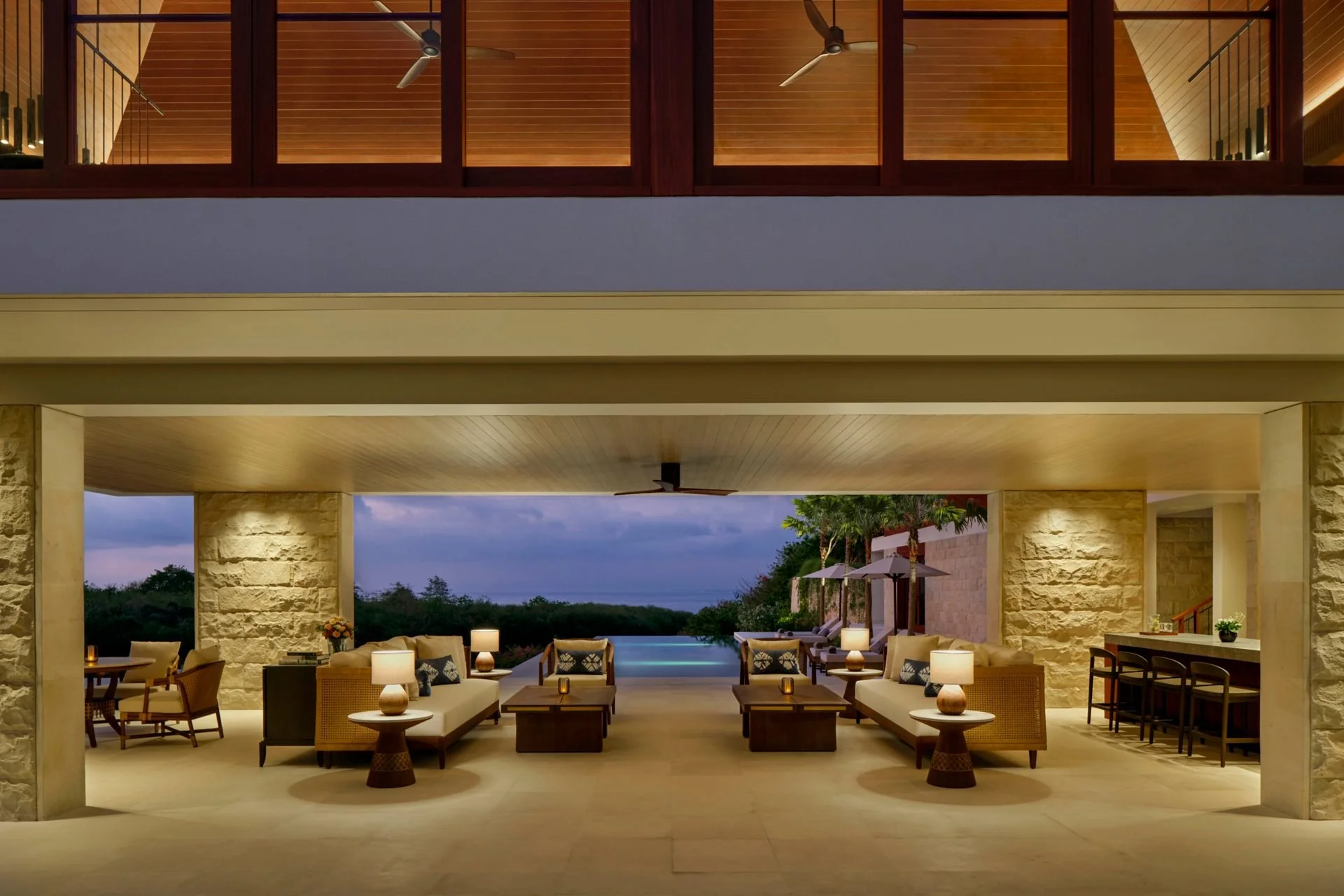
Images courtesy of Raffles Bali Website
On the hillside above Jimbaran Bay, Raffles Bali represents another interpretation of contemporary luxury: space.
The all-villa resort offers 32 villas, each with a private pool and garden, with views across Jimbaran Bay. Its experience extends beyond accommodation through dining, wellness, cultural activities and nature-based programmes.
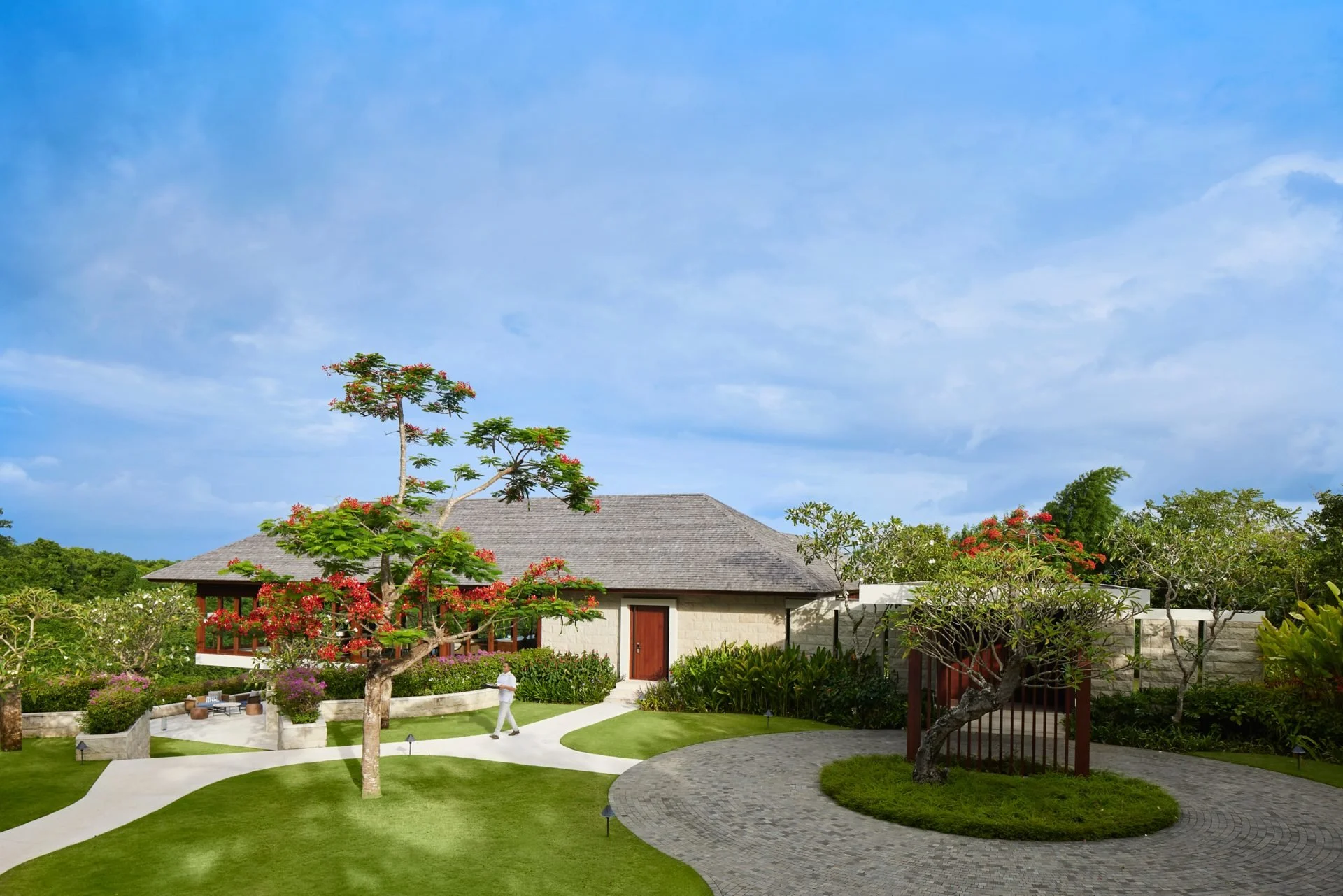
Images courtesy of Raffles Bali Website
Its culinary identity is particularly interesting.
At Rumari, Chef Gaetan Biesuz works with contemporary Southeast Asian cuisine, while the resort's sourcing programme places emphasis on ingredients from across the Indonesian archipelago. Raffles states that around 80% of its ingredients are sourced locally, with the remainder imported where necessary. The property also offers experiences connected to Balinese culture, including visits to traditional homes and opportunities to learn about local architectural principles and customs. This is a useful example of how luxury can become more rooted rather than more extravagant.
The New Bali idea: exclusivity becomes more meaningful when it creates a deeper connection with the destination.
Desa Potato Head: Where Hospitality Meets Culture
Desa Potato Head Bali
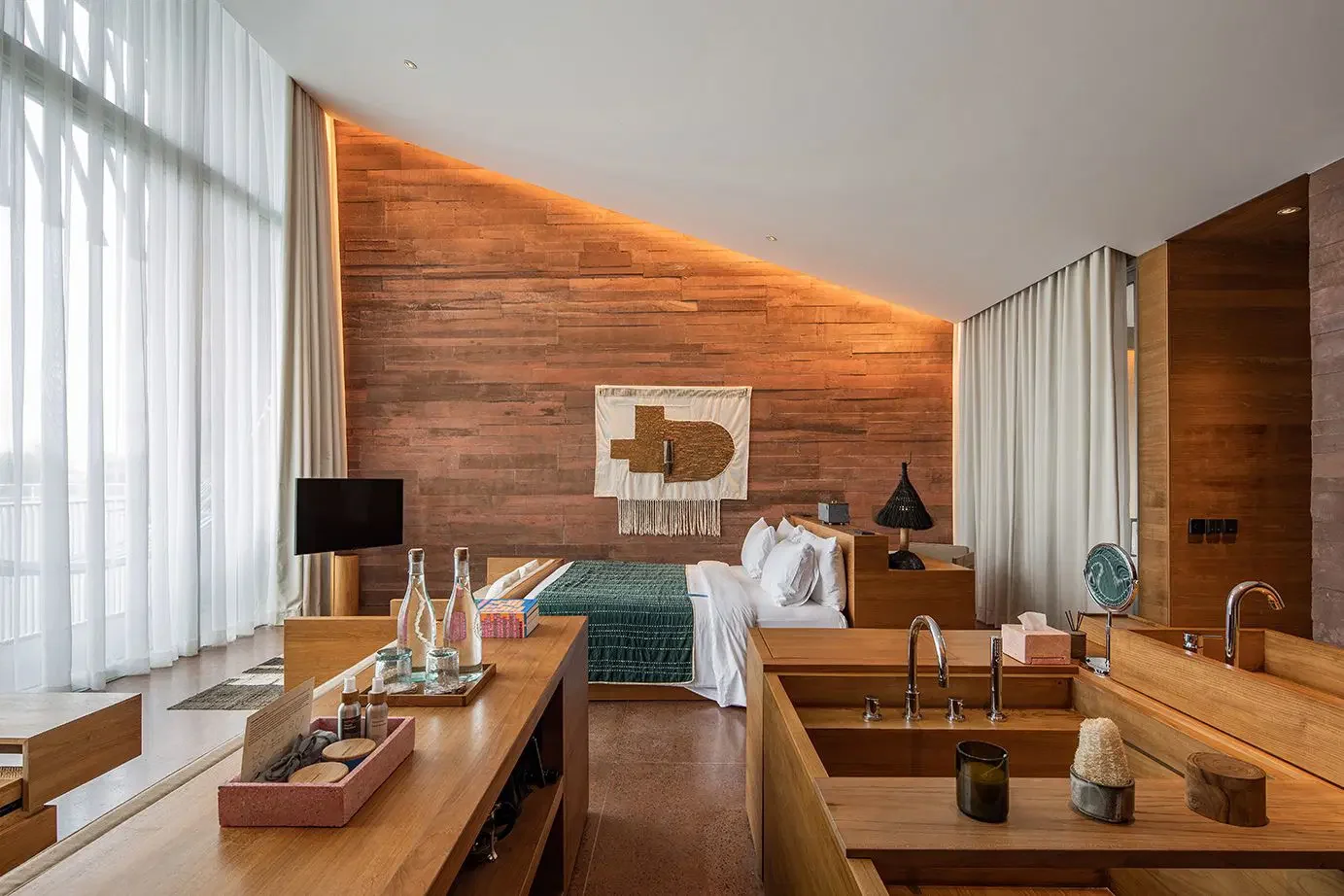
Images courtesy of Desa Potato Website
In Seminyak, Desa Potato Head operates somewhere between resort, cultural venue, creative hub and social space. Its concept brings together hospitality, food, music, design, art, wellness and environmental initiatives. The property describes itself as a zero-waste Creative Village created for cultural exchange, with programmes involving artists, musicians, chefs, designers and travellers.
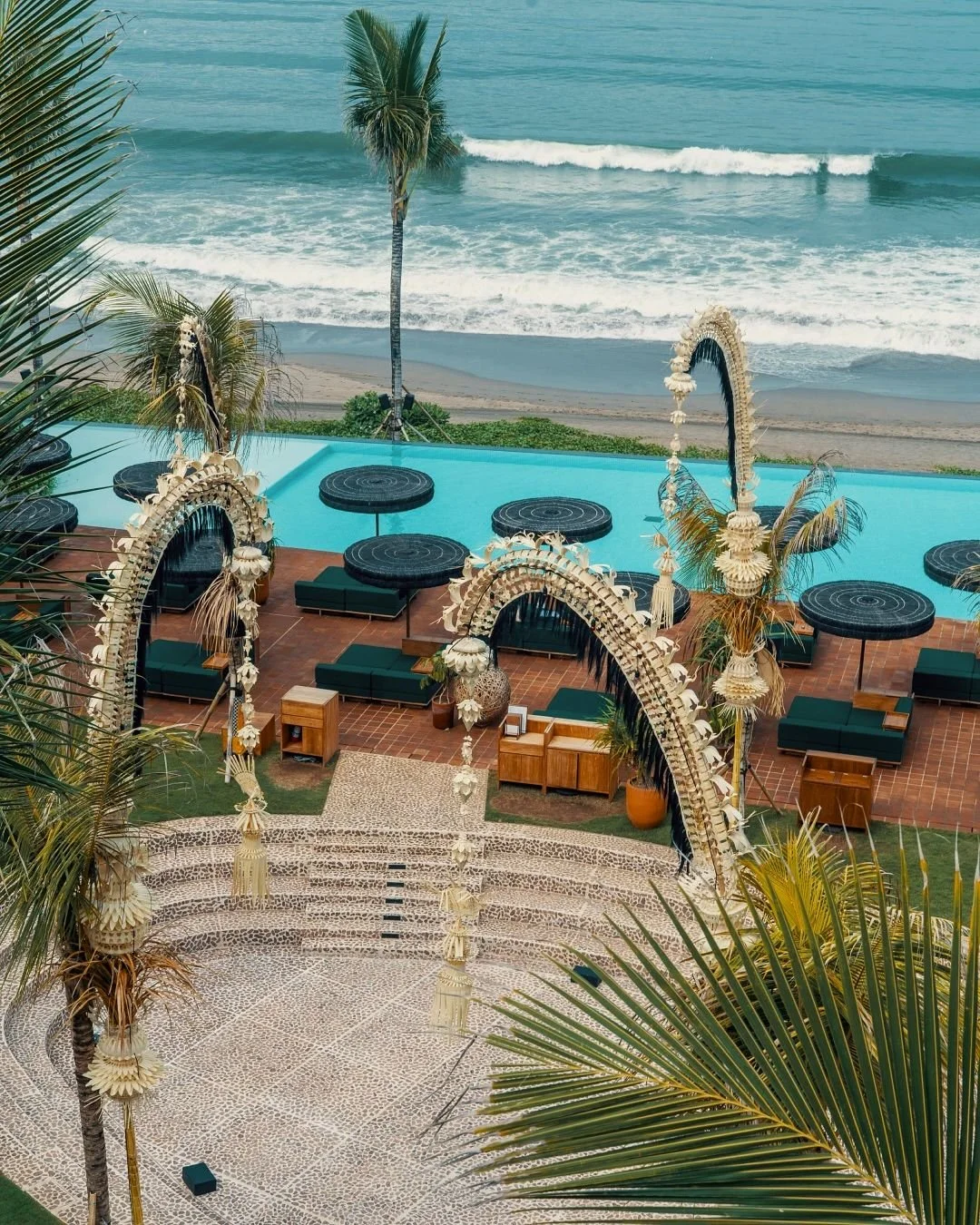
Images courtesy of Luxury Escapes.
This is significant because it demonstrates another direction for modern luxury. A luxury destination does not necessarily have to feel secluded from contemporary culture. It can become part of it. For travellers who value design, music, architecture and community as much as traditional hotel service, the experience becomes broader than accommodation.
The New Bali idea: luxury can be cultural currency, not simply a room category.
Desa Potato Head official website
The New Definition of Luxury
What connects these places is not a particular architectural style, hotel brand or price point.
It is a changing understanding of what people are willing to travel for. The traditional formula for luxury in Bali was relatively straightforward: a beautiful villa, a private pool, tropical gardens and an exceptional view.
Those things still matter.But they are no longer enough to define the entire experience. The emerging luxury traveller is also looking for privacy without isolation, design with context, food with provenance, wellness with substance, service with personality and experiences that feel specific to Bali rather than transferable to any tropical destination.That may be the most interesting thing happening on the island.
Bali is not becoming less Balinese in order to become more luxurious. In its strongest new expressions, it is doing almost the opposite. The island's culture, landscape, craftsmanship, food and spiritual traditions are becoming part of the value proposition itself — interpreted through a contemporary hospitality language.
Beyond the Hotel
The next chapter of Bali's luxury scene will probably not be defined by a single new resort.
It will be defined by the relationship between places.A morning in Ubud followed by a long lunch focused on Indonesian ingredients. An afternoon exploring design and craftsmanship. A few quiet hours in a spa. Sunset on the southern coast. Dinner somewhere that treats local produce with seriousness. Then back to a villa where the only agenda is time. That is a different kind of luxury. Less about collecting addresses.
More about how those addresses make you feel. And perhaps that is what makes The New Bali worth watching: the island is learning how to evolve without abandoning the qualities that made people fall in love with it in the first place.
