
Five creative voices shaping the next chapter of fashion — from the established houses of Gucci, Chanel and Dior to a new generation redefining what a designer-led label can be.
Fashion houses are often remembered through their logos, signature bags and instantly recognized silhouettes. But behind every collection is a creative mind deciding what those symbols should mean next.In an industry built on heritage, the challenge for a designer is rarely about starting from nothing. It is about knowing what deserves to remain, what can be reconsidered and where a new point of view can take the house.The current fashion landscape is particularly interesting because several major maisons are entering new creative chapters, while younger independent designers are gaining attention beyond the traditional fashion capitals.
From Paris and Milan to New York these are five designers worth knowing now.
01. Demna — Gucci
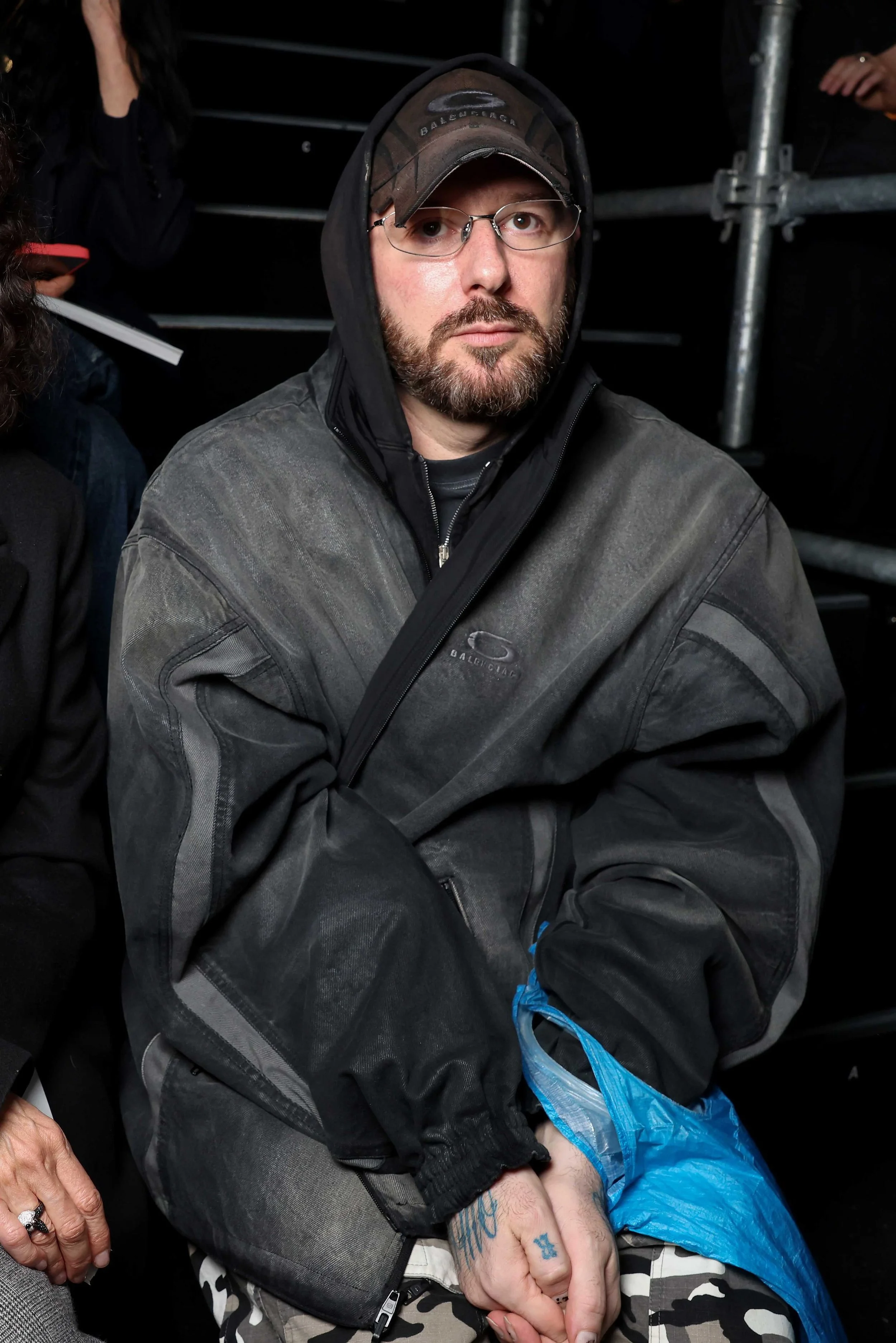
When Demna arrived at Gucci, he stepped into one of fashion's most recognisable houses with a creative history that is already unusually rich.
Known internationally for his transformative work at Balenciaga, the designer began his Gucci chapter in 2025. His first project for the house, La Famiglia, introduced a cast of characters rather than presenting the collection through a conventional runway format. The project explored different facets of Gucci's identity through clothing, personality and image.
His first traditional Gucci runway followed in February 2026 in Milan, establishing a more developed direction for the house. What makes Demna's approach interesting is his relationship with fashion history. Rather than treating an archive as something fixed, he uses it as material that can be reinterpreted. His Gucci collections have looked towards different periods of the house's visual language while introducing his own understanding of proportion, attitude and contemporary luxury.
The result is a Gucci conversation that is deeply conscious of its past while deliberately looking forward for Demna, the question is not simply what Gucci has been. It is what Gucci can become next.
Why know him: His Gucci appointment marks an important new creative chapter for one of Italy's most influential luxury houses.
Follow:Gucci
02. Matthieu Blazy — Chanel
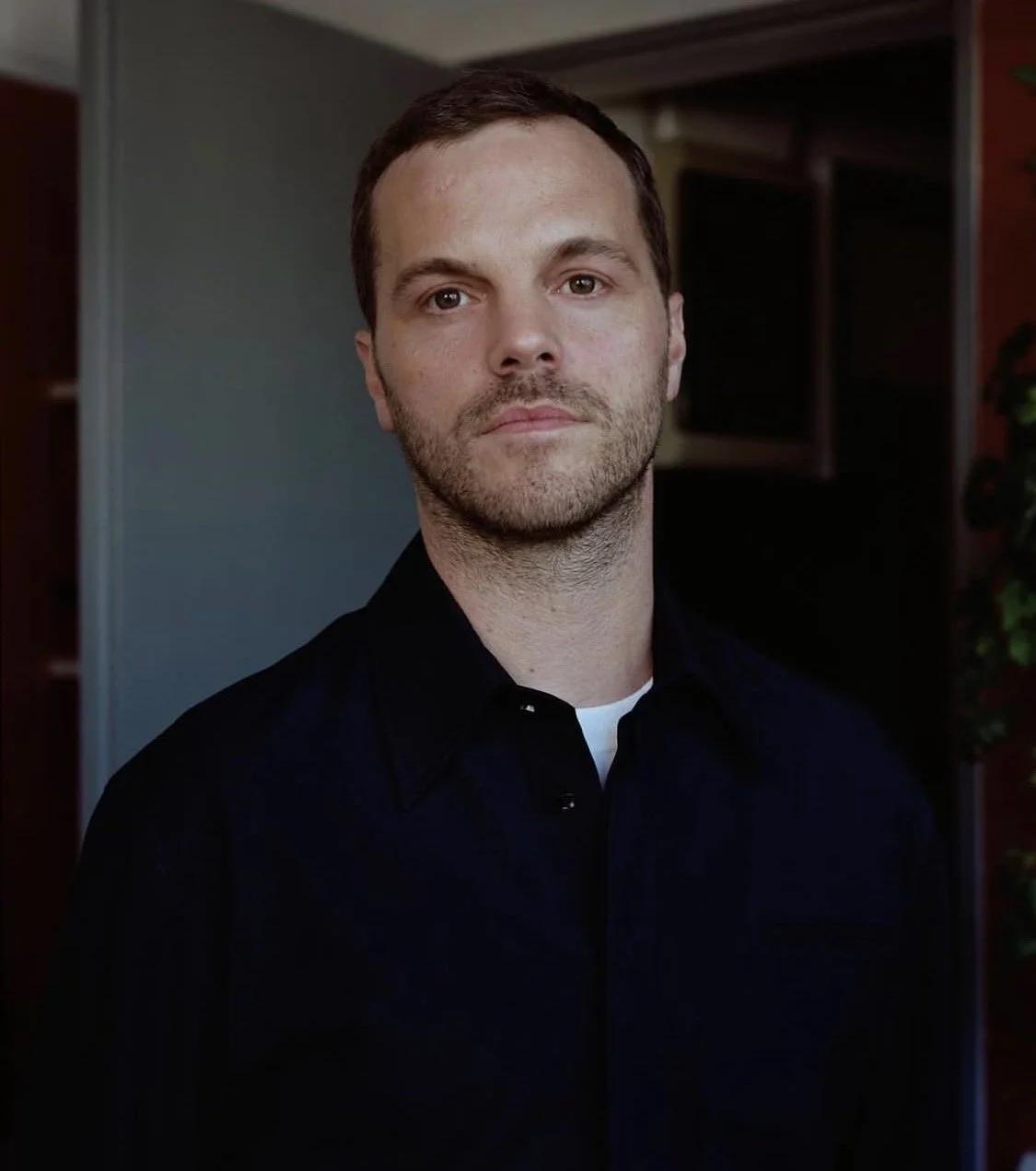
Image Courtesy of Matthieu Blazy Instagram
Few creative appointments carry the weight of Chanel.
In 2025, Matthieu Blazy became Chanel's Artistic Director of Fashion Activities, taking responsibility across Haute Couture, Ready-to-Wear and Accessories. The appointment placed a designer known for his interest in craftsmanship, construction and materiality at the centre of one of fashion's most closely watched houses.
Blazy's background is distinctly international. Before Chanel, he developed his reputation through roles at several major fashion houses and became particularly recognised during his tenure at Bottega Veneta.
At Chanel, the challenge is different.The house possesses a vocabulary that is instantly recognisable: tweed, the camellia, pearls, chains, black-and-white contrasts and the codes established by Gabrielle Chanel. Blazy's role is therefore less about creating a new language from scratch and more about engaging with a language that already has generations of meaning behind it. His first Chanel collections have begun exploring that relationship between familiarity and reinterpretation. Chanel's own presentation of Fall-Winter 2026 describes the collection as a dialogue between Gabrielle Chanel's heritage and Blazy's new interpretation.It is a position that demands both restraint and confidence.And that makes Blazy's Chanel chapter one of the stories fashion will continue to watch closely.
Why know him: He is now responsible for translating one of fashion's most powerful visual identities into a new creative era.
Follow:CHANEL
03. Jonathan Anderson — Dior

Image Courtesy of Jonathan Anderson Instagram
Jonathan Anderson arrived at Dior with something unusual for a heritage house: a creative vocabulary that had already become recognisable on its own terms.After building JW Anderson into an influential independent label and leading Loewe through a significant period of creative development, Anderson took on the role of Creative Director at Dior in 2025.
His arrival brought a designer known for curiosity, experimentation and an interest in the relationship between art, culture and everyday objects into a house defined by couture history.His first Dior collections have approached the archive as something to be explored rather than simply reproduced.For Spring-Summer 2026, Dior describes Anderson's work as an exploration of the house's heritage with empathy and wit. His approach can be seen in the treatment of familiar Dior objects, including the Lady Dior, as well as in new silhouettes and accessories created under his direction.
The approach is particularly visible in accessories.The Dior Archie, for example, introduces a sculptural, box-like form, while the Diorly and other new designs bring a more contemporary vocabulary to the house's established world.Anderson's Dior is therefore becoming a study in translation: how a historic French maison can communicate with a contemporary audience without abandoning the visual memory that made it significant in the first place.
Why know him: His move to Dior brings one of contemporary fashion's most distinctive independent voices into one of its most historic houses.
Follow:Dior
04. Simone Bellotti — Jil Sander

Image Courtesy of Simone Belloti Instagram
Not every important fashion story is about a dramatic change. At Jil Sander, Simone Bellotti is working within a house whose identity has long been associated with precision, simplicity and considered design.Bellotti joined Jil Sander as Creative Director in March 2025. The house describes its design philosophy through a balance of elegance and functionality, purity of form, craftsmanship and refined materials.
Bellotti's first work for the label has continued that conversation while introducing a more physical understanding of clothing.For Spring-Summer 2026, his campaign explored contrasts such as strictness and lightness, control and freedom, protection and exposure. The body became an important part of the visual language, with posture and movement informing the way the clothes are perceived.That makes his work particularly interesting in an era when minimalism can easily become predictable.Bellotti's interpretation suggests that simplicity does not have to mean absence of emotion.A clean silhouette can still have tension.A restrained garment can still communicate character.And a quiet fashion house can still evolve.
Why know him: Bellotti is helping shape the next phase of Jil Sander through an approach that keeps precision at the centre while allowing more movement and emotional expression.
Follow:Jil Sander
05. Colleen Allen — The Next Name to Know

Some designers arrive with an instantly recognisable aesthetic. Colleen Allen is one of them.The Chicago-born designer launched her eponymous label in 2024 after experience at Calvin Klein and The Row. In a relatively short period, her work has attracted attention from the fashion industry, including recognition through the CFDA Fashion Awards and the LVMH Prize, as well as selection for NET-A-PORTER's 2026 Vanguard programme.
Her collections draw from historical ideas of femininity, but the clothes are not presented as costume.Instead, Allen works with familiar references — including bustles, tailored outerwear, lingerie-inspired details and sculptural shapes — and changes their function for contemporary life.Her Fall 2026 collection, for example, explored ideas around protection and personal space, using soft sculptural forms rather than treating historical structures simply as decorative references.There is an intimacy to Allen's work that distinguishes it from fashion designed primarily for spectacle.Her clothes suggest that femininity can be expressive without becoming restrictive, and romantic without becoming nostalgic.That combination has helped make her one of the emerging American designers worth following.
Why know her: She is developing a distinct contemporary language for femininity while building an independent label with growing international attention.
Follow:Colleen Allen
Behind the Label
Fashion's next chapter will not be written by one aesthetic.
It will be shaped by designers approaching heritage, identity, craftsmanship and contemporary culture from very different positions.At the major houses, the creative director is asked to interpret decades, sometimes more than a century of visual history. For independent designers, the challenge can be entirely different: building recognition from the ground up while protecting the identity that made the label interesting in the first place.
That distinction is important.The value of knowing a designer is not simply knowing who created the latest collection. It is understanding the thinking behind the label, the references, decisions and cultural ideas that make a garment feel specific rather than interchangeable. And perhaps that is where fashion becomes most interesting. Behind every label is a point of view.
The designers worth watching are the ones making theirs increasingly clear.
