
From Royal diplomacy - Hollywood to beauty, fashion - and the digital economy, these women are shaping how influence looks in 2026.
Influence has become harder to define. It once belonged primarily to people with institutional power: political leaders, royalty, CEOs and cultural figures whose reach was determined by television, newspapers or established organisations. Today, influence can be built in very different ways. A designer's muse can become a business founder; a beauty entrepreneur can turn a personal aesthetic into a global category; new film star can use the red carpet as a form of visual storytelling.
The result is a new kind of power, one that exists at the intersection of visibility, credibility, culture and commerce. The women on this list represent different versions of that influence. They do not share one profession, one nationality or one route to recognition. What connects them is the ability to shape conversations beyond their immediate fields.
Here are ten women whose influence is particularly relevant to fashion, luxury, beauty, entertainment and modern culture today.
01. Queen Rania of Jordan
Royalty, Philanthropy & Modern Elegance
Queen Rania of Jordan occupies a distinctive position in the global public sphere. Her influence extends well beyond the visual language associated with modern royalty.

For more than two decades, she has used her public platform to advocate for education, children, women and community development. Her work includes the Queen Rania Foundation for Education and Development, established in 2013, as well as initiatives focused on teacher development, digital learning and educational opportunity. She has also been involved internationally in advocacy concerning children, refugees and cross-cultural understanding.
Her public image has developed alongside this work. Queen Rania is frequently recognised for a polished approach to fashion that combines contemporary international designers with references to her regional identity. But reducing her influence to style would miss the larger picture.Her significance lies in the combination of public diplomacy, humanitarian advocacy, education and cultural representation.In an era when public figures are increasingly expected to communicate across multiple platforms, her role demonstrates how visibility can support causes that extend far beyond fashion.
The influence: Using public visibility as a platform for education, humanitarian work and cross-cultural dialogue.
Official source:Queen Rania of Jordan
02. Zendaya
Fashion & Cultural Influence

Zendaya has become one of the clearest examples of how celebrity and fashion can work together as a form of cultural storytelling.
Her influence is not limited to individual red-carpet appearances. Over time, her public image has developed through carefully considered collaborations with designers and stylists, allowing clothing to become part of the narrative surrounding a film, event or cultural moment. Her relationship with Louis Vuitton is one example. The house identifies Zendaya as a House Ambassador, placing her within the brand's global communication and campaign ecosystem. What makes her presence particularly relevant is the consistency of the visual language. Rather than treating fashion as decoration, Zendaya's appearances often function as extensions of the moment itself. A premiere becomes an opportunity for character, silhouette, colour and reference to work together. This has helped establish a model of celebrity fashion in which the relationship between actress, stylist, designer and luxury house becomes part of the story.
The influence: Turning celebrity dressing into a carefully constructed form of visual culture.
Official source: Louis Vuitton
03. Victoria Beckham
Fashion & Entrepreneurship

Victoria Beckham's career is one of fashion's more recognisable examples of reinvention.
Her public identity began in music and popular culture before developing into a serious fashion business. The Victoria Beckham label has since evolved into an established luxury fashion proposition spanning ready-to-wear, bags, shoes and other categories. The brand's current offering includes Autumn/Winter 2026 collections and a dedicated beauty business.

The significance of her journey is not simply that she entered fashion.It is the way she gradually separated a personal celebrity identity from the creative identity of the label. Today, the brand communicates through tailoring, refined silhouettes and a distinctly controlled visual language. Her beauty business extends the same philosophy into another part of the luxury consumer market.In an industry where celebrity-founded labels can appear and disappear quickly, longevity becomes its own form of credibility. Victoria Beckham's influence therefore sits at the intersection of fashion, entrepreneurship, personal branding and long-term brand building.
The influence: Demonstrating how personal recognition can evolve into a sustained luxury business.
Official source: Victoria Beckham
04. Hailey Bieber
Beauty & Digital Culture

Hailey Bieber's influence is closely connected to the way beauty is consumed in the digital age.
Through Rhode, the beauty brand she founded, Bieber helped build a visual and commercial language around streamlined routines, skin-focused products and a highly recognisable digital identity. The brand's trajectory became particularly significant when e.l.f. Beauty completed its acquisition of Rhode in August 2025 for $800 million at closing, with an additional potential earnout of up to $200 million. Bieber remained involved as founder and took on the roles of Chief Creative Officer and Head of Innovation. The business story matters because it demonstrates how social media influence can move beyond endorsements. Bieber was not simply promoting products created by another company. She became closely associated with the development, positioning and visual identity of a beauty brand. That model has influenced how younger consumers discover products: often through a person's routine, aesthetic or recommendation before they encounter the traditional advertising campaign.
The influence: Helping turn personal beauty culture into a scalable consumer brand.
Official source:e.l.f. Beauty
05. Tamara Kalinic
Digital Influence & Luxury Fashion
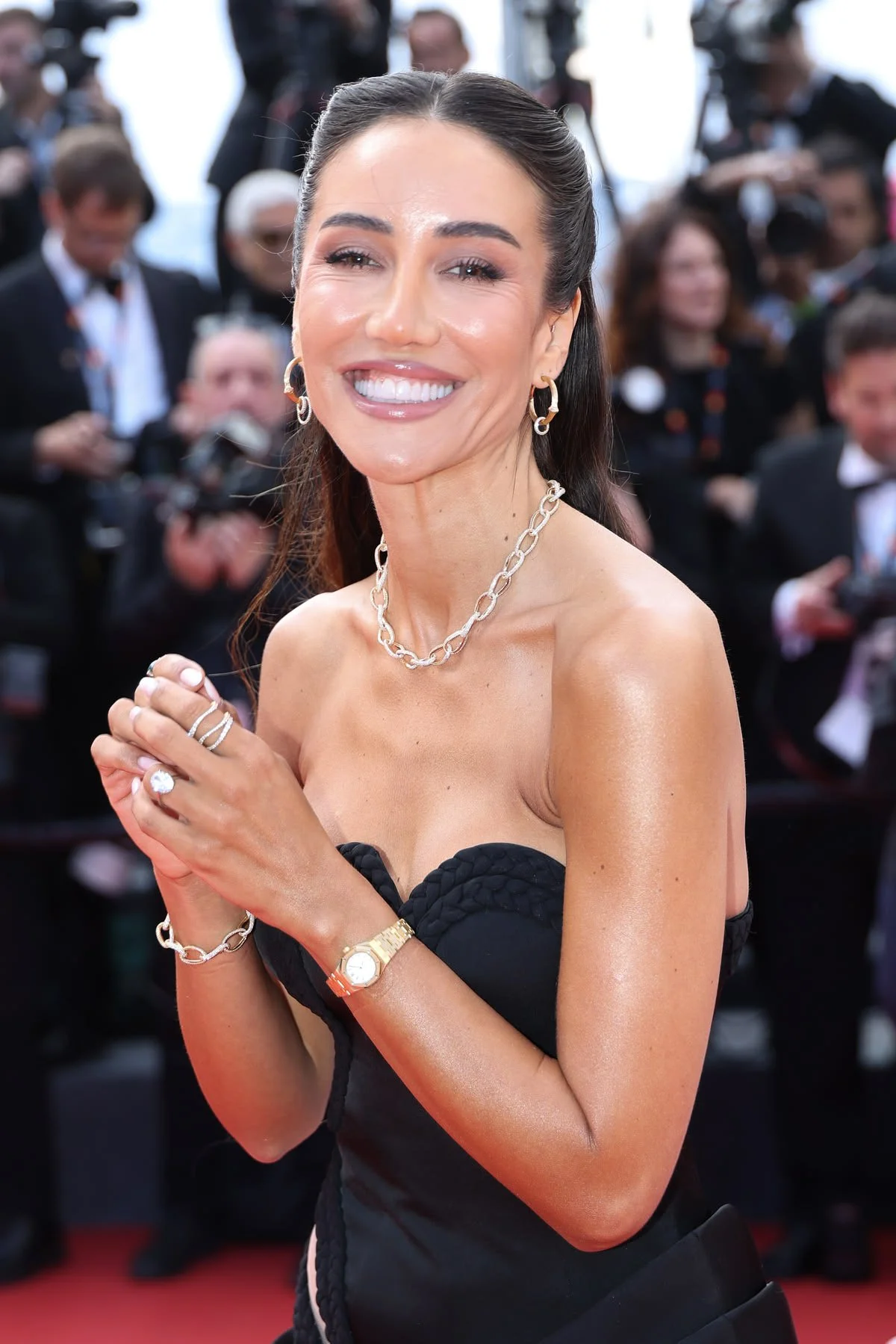
Image courtesy of Tamara Kalinic via Instagram
Tamara Kalinic represents a generation of fashion figures who built their platforms before the creator economy became an established part of luxury marketing.Her journey began with Glam & Glitter, developing from personal fashion blogging into a broader digital career spanning fashion, beauty, travel and lifestyle. Her current digital work continues to centre on luxury fashion while expanding into longer-form storytelling. Through her Material Witness platform, for example, she shares seasonal fashion guides, wardrobe edits, lifestyle content and more personal perspectives with her audience.Her relevance to the luxury market comes partly from consistency. Kalinic has maintained a visual world around fashion rather than relying on individual viral moments. Fashion weeks, designer collections, travel and personal style have become connected parts of the same narrative - that makes her a useful example of how digital creators have become part of the fashion industry's wider communication system.
The influence: Building a long-term luxury fashion identity through digital storytelling and personal perspective.
Official source: Material Witness by Tamara Kalinic
06. Anne Hathaway
Hollywood & The Fashion Renaissance

Image courtesy of Anne Hathaway via Instagram
Anne Hathaway's recent fashion presence demonstrates how a mature celebrity image can be deliberately reinterpreted. Working with stylist Erin Walsh, Hathaway has developed a wardrobe that moves comfortably between classic Hollywood glamour, contemporary fashion and more unexpected styling choices. Her 2025 Met Gala appearance offered one particularly thoughtful example. Wearing Carolina Herrera, she appeared in a look created with references to André Leon Talley, while the design incorporated more than 200,000 beads and rhinestones and required hundreds of hours of work.

More recently, her fashion presence has remained visible through major premieres and press appearances surrounding projects including The Devil Wears Prada 2 and Mother Mary. Her stylist has described the approach as balancing the actress's identity with the demands of contemporary red-carpet dressing.The result is not simply a “style comeback.” It is an example of how a celebrity can enter a new visual chapter without abandoning the history audiences already associate with her.
The influence: Showing how fashion can reshape and refresh an established Hollywood identity.
07. Rosie Huntington-Whiteley
Modeling, Beauty & Personal Brand

Image courtesy of Rosie Huntington-Whiteley via Instagram
Rosie Huntington-Whiteley has built her public profile around a particularly polished relationship between fashion and beauty. Her modeling career established her within the luxury industry, but her influence has increasingly expanded into entrepreneurship and product development. Rose Inc., the beauty brand associated with Huntington-Whiteley, positions itself around makeup and skincare with an emphasis on performance, formulation and sustainability.

The brand describes its products as combining beauty with clinically tested skincare benefits and sustainable considerations. Her contribution to the beauty conversation is therefore not limited to being the face of a campaign. She participates in the creation of a consumer world — one where makeup, skincare, photography, fashion and personal routine all belong to the same visual ecosystem. That approach reflects a wider movement in luxury: audiences increasingly want to understand not only what a person wears, but how they live, what they use and what brands they choose to build.
The influence: Creating a bridge between high-fashion credibility, beauty entrepreneurship and aspirational lifestyle.
Official source: Rose Inc.
08. Chiara Ferragni
Digital Entrepreneurship & Fashion

Image courtesy of Chiara Ferragni via Instagram
Few careers illustrate the evolution of digital influence as clearly as Chiara Ferragni's.
Her story began in 2009 with The Blonde Salad, at a time when fashion blogging was still developing into a serious media category. She subsequently expanded the platform into a broader business and launched the Chiara Ferragni Brand in 2013. The company has since moved across fashion, accessories and beauty. Her career is significant because it helped demonstrate that an online audience could become the foundation for an actual commercial ecosystem.The distinction between creator, media personality and entrepreneur became increasingly fluid.In 2025, Ferragni became the majority shareholder of her namesake brand, further consolidating her role in its ownership and direction. Her career has also included periods of intense public scrutiny, illustrating another reality of digital influence: visibility can create commercial opportunity, but it also brings an unusually high level of public accountability. Regardless of the different chapters of her career, her place in the history of digital fashion entrepreneurship is difficult to overlook.
The influence: Helping establish the modern pathway from digital audience to fashion business.
Official source: Chiara Ferragni Brand
09. ALIX EARLE
THE DIGITAL IT-GIRL TURNING INFLUENCE INTO EMPIRE

Alix Earle has become one of the defining faces of a new generation of digital influence. Rising through her candid “Get Ready With Me” videos, she transformed everyday beauty and lifestyle content into a powerful form of personal storytelling, building an audience that values her relatability as much as her aspirational world.
Her influence has since expanded beyond social media into fashion, beauty, entertainment and business. From major fashion and beauty collaborations to the launch of her own skincare brand, Reale Actives, Earle is moving from creator to entrepreneur, turning cultural relevance into long-term brand equity.
What makes her particularly significant is the way she connects aspiration with accessibility. Her content feels personal, conversational and immediate, allowing luxury, beauty and celebrity culture to exist within the language of everyday digital life.
At a time when influence is increasingly measured by the ability to shape conversations, consumer behaviour and culture, Earle represents a new kind of power — one built not through traditional media, but through community, authenticity and an understanding of what audiences want to see next.
The influence:
A new-generation creator who has successfully expanded her influence from social media into beauty, entertainment and entrepreneurship.
10. NARA SMITH
THE NEW FACE OF LUXURY LIFESTYLE
Images courtesy of ELLE
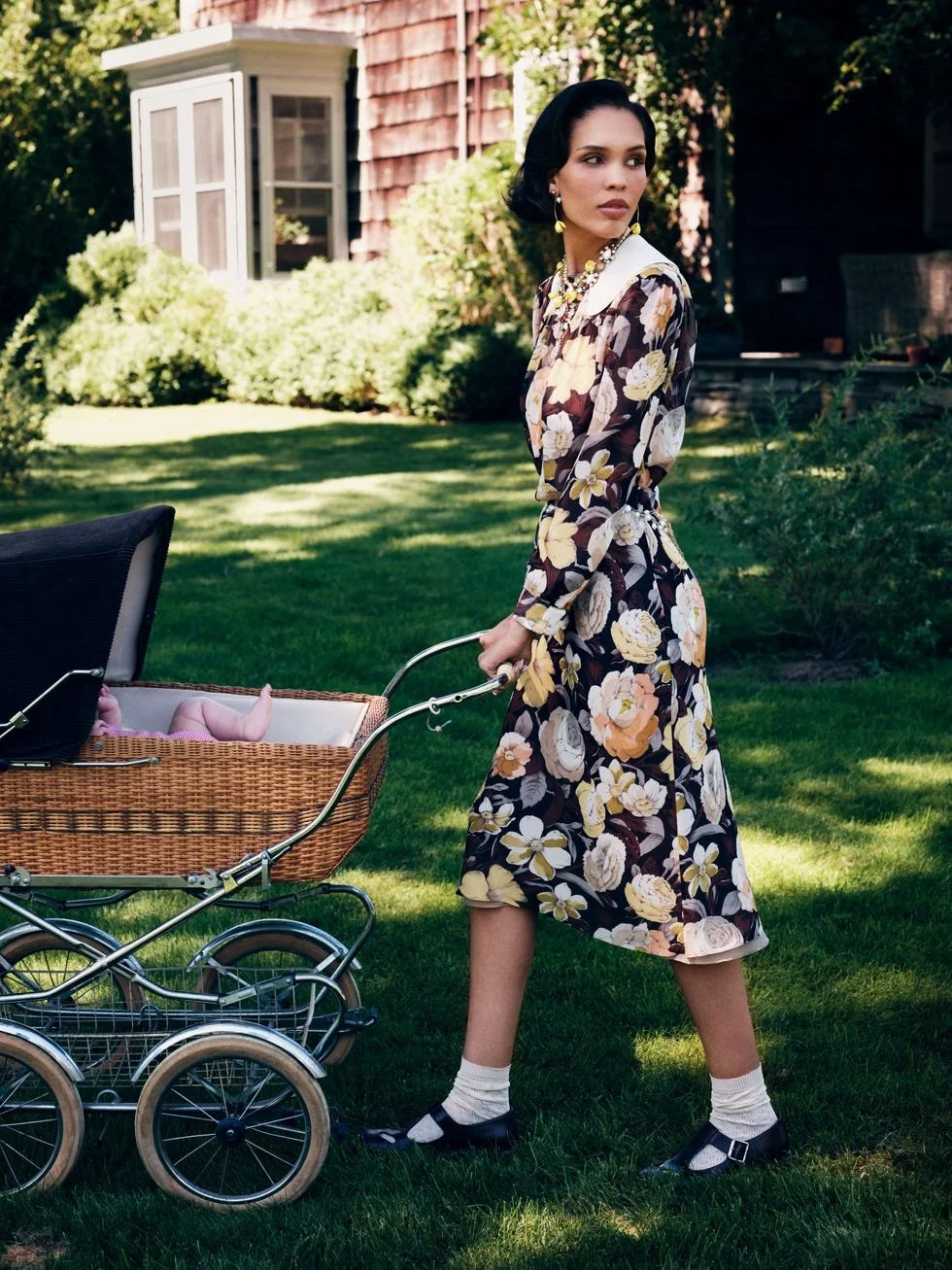
Nara Smith has turned the everyday ritual of cooking into a distinctive form of digital storytelling. Known for her soft-spoken videos, from-scratch recipes and striking fashion choices, the model and creator has built an aesthetic that sits somewhere between culinary culture, fashion and modern luxury.
Her appeal lies in the unexpected contrast: elaborate dishes prepared in couture-inspired looks, quiet visuals and an almost cinematic approach to domestic life. What might otherwise be ordinary has become highly stylised content, creating a visual language that is instantly recognisable.
That influence has increasingly moved into fashion. Smith has worked with names including Marc Jacobs, Prada and Isabel Marant, while her personal style has made her a regular presence within the fashion world. In 2025, she launched a 20-piece collection with Reformation, translating her feminine, nostalgic aesthetic into ready-to-wear.
Her influence now extends beyond social media into the wider lifestyle industry. Forbes named Smith among its Top Creators of 2026, with estimated earnings of $7.5 million, while also noting her upcoming cookbook Homemade and collaborations within the food and fashion space.
What makes Nara Smith significant is her ability to transform a highly personal aesthetic into cultural influence. She has created a world where fashion, food, beauty and home life coexist — proving that in the new luxury landscape, influence can be built as much through atmosphere and storytelling as through traditional celebrity.
WHY SHE MATTERS
A distinctive digital tastemaker who has brought fashion, food and lifestyle into one highly recognisable visual universe.
What Influence Looks Like Now
The women on this list operate in very different worlds. A queen does not build influence in the same way as a beauty founder. A Hollywood actress has a different relationship with fashion from a digital creator. A designer-led entrepreneur faces a different set of challenges from someone whose influence comes through public service. Yet their careers reveal something important about the contemporary idea of power. Influence is no longer a single category.
And increasingly, it can be all of these at once. The modern luxury audience is also more interested in the person behind the image. What does she stand for? What does she build? What does she wear? What does she support? How does she communicate? And perhaps most importantly, does her influence exist only on a screen — or does it translate into something tangible beyond it? The real influence.
